We Are Slaves of Christ
This Advent, help us wait on Jesus’ return by supporting our efforts to contend for the freedom to proclaim the faith.

We are slaves of Christ, but earthly slavery is not a good thing. Slavery is an institution of the fallen world. I am led to understand that even today there are fifty million people living as the property of others. I'm not sure what would happen if we added to that number those enslaved in various systems like North Korea. But bonds and fetters are not to be celebrated or commended, and if someone might say that it is a good thing, I have never seen anyone volunteer to be on slavery's receiving end. This is not to be a Pollyanna or to hide our heads in the sand. Throughout history, when one nation has conquered another, slavery has resulted. There will always be wars and rumors of wars, and life is messy. And yet slavery is not a good thing. And we can say so without losing sight of the fact that we as Christians are slaves of God, even as we are His children.
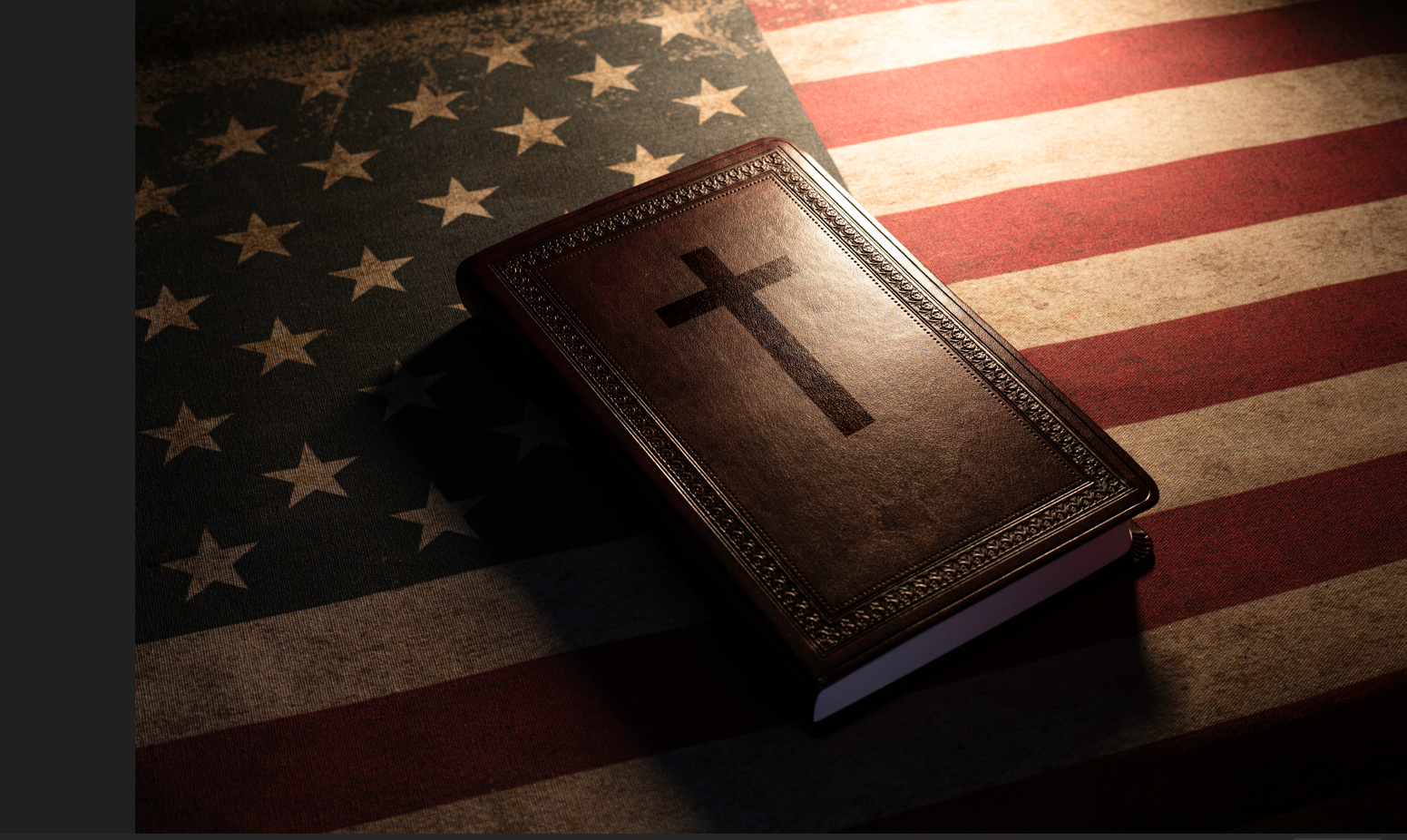
A term like “equality” can be misused. It is natural that there will be bosses and employees, rulers and those ruled. But it is misleading to speak of our own earthly rulers as princes, as our nation is built upon the constitutional law. In the American system, the rulers are accountable to the rule of Constitutional Law and also therefore to the people. The Declaration of Independence says rightly that all men are created equal, which speaks to the dignity of men and to the natural rights accorded to us all. This is not the fruit of the ungodly enlightenment embodied in the rallying cry of the French Revolution, "Liberte, egalite, fraternite." It is the French Revolution, not the American, that was the leveling force that was the seedbed of Communism. The American ideal, on the other hand, did in fact lead to the ending of slavery among us. Lincoln's Gettysburg Address did not call for a Russian style revolution, but drew upon our nation's founding documents, upon an ideal not yet fully realized.
What God has permitted cannot be equated with what God has endorsed. Polygamy was common in the Old Testament and can be said with some wisdom to be preferable to our own serial polygamy. Likewise, the polygamy of the Old Testament, or in ancient world, might be understood with charity, as many other factors, including the need for protection and sustenance was at play. But we would not say that polygamy is therefore good, and we are glad when laws forbid it, as it comes with a whole other host of problems. And so also we can say that slavery is a type of evil, even as we can be sober minded and recognize the difficulties of living in a fallen world, seeking a world where earthly fetters are not common, even as we celebrate the eternal freedom that is already ours in Christ.
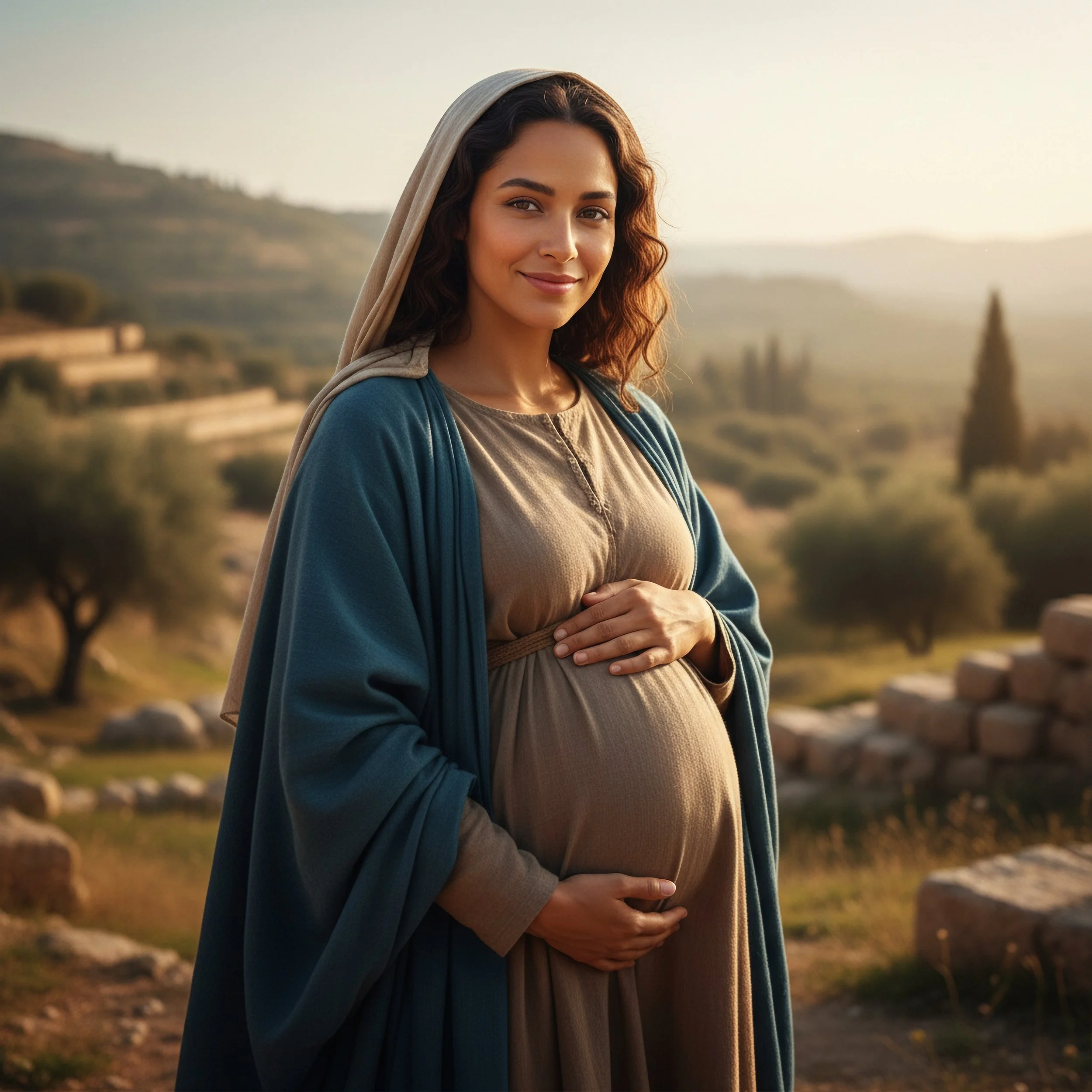
Mary's Magnificat should never be used to espouse a liberation theology that is destructive of all things, and inevitably, in the name of freedom ends in the guillotine. Men and women likewise are equal in dignity before God, each as valuable in God's eyes, though we are not interchangeable. Man is the head, and to woman is the glory. And yet it is also true that Christianity was good news to women, who were never to be treated as slaves, as we see in Islam. Yes, it is true that the woman belongs to the man, but so also does the man belong to the woman. But this is not the belonging that is to be equated with property or even to the ownership of a dog which might have to be put down.
And it is true that Christ has given us a way to see things rightly. Neither poverty or wealth, strength or weakness is ultimate. The servant may think of himself as royalty, and the powerful man does well to think of himself as a servant.
All of this is to say, we do well to avoid the ditch of the French and Russian revolutions, do well to recognize that inequalities of outcome are natural, even as we recognize the greatness of some. And all this we can do while still saying that all men are created equal, endowed by their Creator—our good and gracious heavenly Father—with certain inalienable rights. To Him be all glory and praise!
The Rev. Dr. Peter Scaer is professor and chairman of the Exegetical Department at Concordia Theological Seminary, Fort Wayne, Ind.
Be Informed
Please continue to pray for our Lutherans confessing boldly in the public square both here and around the world! The Rev. Dr. Gregory Seltz and Paul Coleman, executive director of ADF International, discuss his role as attorney for Lutheran Bishop Juhana Pohjola and Päivi Räsänen, a Finnish member of parliament. Both are on trial for their biblical views of marriage and their biblical teaching of sexual practice within the bond of marriage.
Be Equipped
“Only 49 percent of Americans now call religion important to their life,” according to a new Gallup survey. Read the why behind the number here.
Be Encouraged
“The solution they came up with is famously stated in the Declaration of Independence: ‘the Laws of Nature and of Nature’s God.’ This revolutionary truth, combining human reason and divine revelation, provided the basis for establishing religious liberty for the first time in human history.” –Glenn Ellmers